
LASER Hair Removal
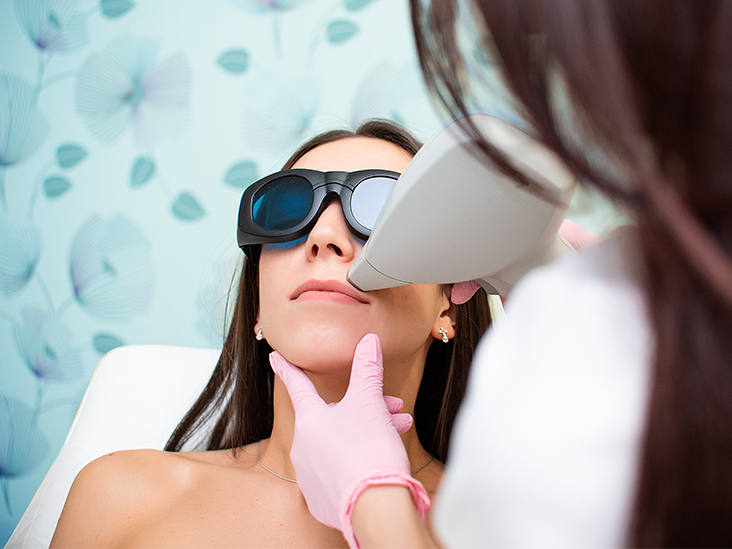
Laser hair removal is a medical procedure that uses a concentrated beam of light (laser) to remove unwanted hair.
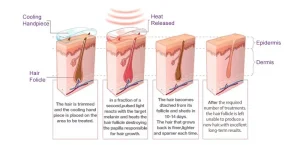
During laser hair removal, a laser emits a light that is absorbed by the pigment (melanin) in the hair. The light energy is converted to heat, which damages the tube-shaped sacs within the skin (hair follicles) that produce hairs. This damage inhibits or delays future hair growth.
Why it’s done
Laser hair removal is used to reduce unwanted hair. Common treatment locations include legs, armpits, upper lip, chin and the bikini line. However, it’s possible to treat unwanted hair in nearly any area, except the eyelid or surrounding area. Skin with tattoos should not be treated either.
Hair color and skin type influence the success of laser hair removal. The basic principle is that the pigment of the hair, but not the pigment of the skin, should absorb the light. The laser should damage only the hair follicle while avoiding damage to the skin. Therefore, a contrast between hair and skin color — dark hair and light skin — results in the best outcomes.
Benefits of Laser Hair Removal
Precision. Lasers can selectively target dark, coarse hairs while leaving the surrounding skin undamaged.
Speed. Each pulse of the laser takes a fraction of a second and can treat many hairs at the same time. The laser can treat an area approximately the size of a quarter every second. Small areas such as the upper lip can be treated in less than a minute, and large areas, such as the back or legs, may take up to an hour.
Predictability. Most patients have permanent hair loss after an average of three to seven sessions.
How to Prepare for Laser Hair Removal
Laser hair removal is more than just ”zapping” unwanted hair. It is a medical procedure that requires training to perform and carries potential risks. Before getting laser hair removal, you should thoroughly check the credentials of the doctor or technician performing the procedure.
If you are planning on undergoing laser hair removal, you should limit plucking, waxing, and electrolysis for six weeks before treatment. That’s because the laser targets the hairs’ roots, which are temporarily removed by waxing or plucking.
The doctor will also offer specific instructions to prepare for laser hair removal. These might include:
- Staying out of the sun. Follow your doctor’s advice for avoiding sun exposure before and after treatment. Whenever you go out, apply a broad-spectrum, SPF30 sunscreen.
- Lightening your skin. Avoid any sunless skin creams that darken your skin. Your doctor might also prescribe a skin bleaching cream if you have a recent tan or darker skin.
- Avoiding other hair removal methods. Plucking, waxing and electrolysis can disturb the hair follicle and should be avoided at least four weeks before treatment.
- Avoiding blood-thinning medications. Ask your doctor about what medications, such as aspirin or anti-inflammatory drugs, to avoid before the procedure.
- Shaving treatment area. Trimming and shaving is recommended the day before laser treatment. It removes hair above the skin that can result in surface skin damage from burnt hairs, but it leaves the hair shaft intact below the surface.
What to Expect During Laser Hair Removal
Just before the procedure, your hair that will be undergoing treatment will be trimmed to a few millimeters above the skin surface. The laser equipment will be adjusted according to the color, thickness, and location of your hair being treated as well as your skin color.
Recovery and Risks
For a day or two afterward, the treated area of your skin will look and feel like it’s sunburned. Cool compresses and moisturisers may help. If your face was treated, you can wear makeup the next day unless your skin is blistering.